Gum disease has a sneaky personality. It rarely storms in with fireworks and sirens. Instead, it tiptoes quietly, often going unnoticed until it becomes a much bigger more serious problem. At It’s Your Time Dental in Queen Creek, Arizona, we believe the earlier you spot the clues, the easier it is to stop gum disease before it causes serious damage.
If you know what to watch for, your smile gets a major head start.
First, What Is Gum Disease?
Gum disease, also called periodontal disease, is an infection of the tissues that support your teeth. It usually begins as gingivitis, a little redness around the teeth, the earliest and most reversible stage. Without treatment, it can, and likely will, progress into periodontitis, which can lead to bone loss, loose teeth, and even tooth loss.
The tricky part? Early gum disease is often painless.
That is why knowing the warning signs is so important.
1. Gums That Bleed When You Brush or Floss
A little pink in the sink is not normal.
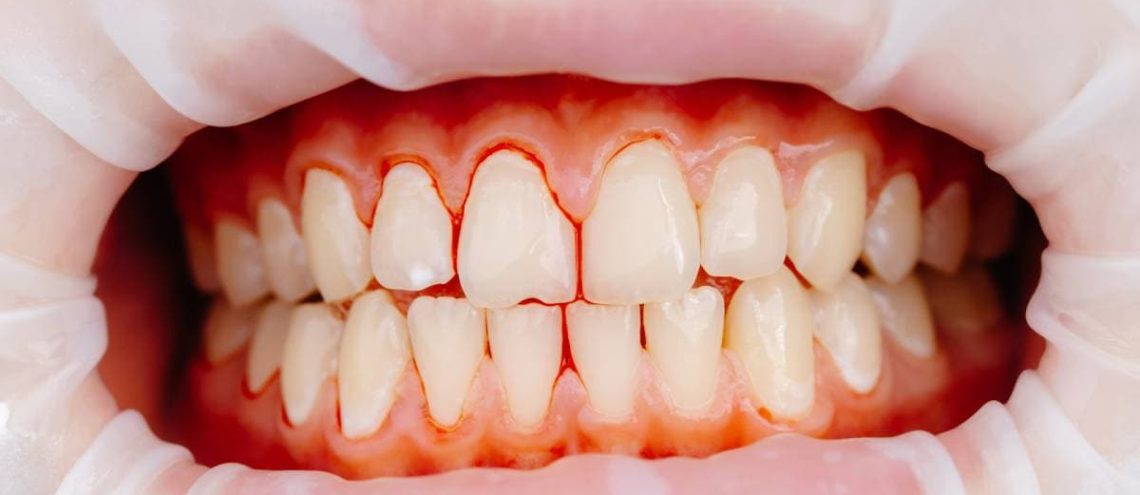
Healthy gums do not bleed during daily brushing or flossing. There is no part of our body that should bleed simply because it is touched. If the back of your hand bled when you washed your hands you would know there was a problem. If you notice bleeding regularly, your gums are reacting to inflammation caused by bacteria along the gumline.
Many people assume they are brushing too hard. In reality, bleeding is one of the earliest and most common signs of gum disease. Healthy gums require effort and stimulation. Compare healthy gums to the soles of your feet. At the beginning of summer when you’ve been wearing shoes all the time, the soles are tender and it takes very little to hurt or irritate them. But, by the end of the summer after you’ve been walking barefooted and toughened them up you can likely even walk on loose gravel without it bothering you. Gums that are stimulated regularly also toughen and are more resistant to bacteria.
2. Red, Puffy, or Swollen Gums
Healthy gums should look firm and pale pink. If your gums appear:
- Bright red
- Puffy or swollen
- Tender to the touch
your body is waving a tiny red flag.
Inflammation is your immune system’s way of fighting bacteria, but chronic inflammation signals that gum disease may be beginning.
3. Persistent Bad Breath
Morning breath happens. Chronic bad breath is different.
If you notice a constant unpleasant taste or odor that does not improve with brushing or mouthwash, bacteria may be hiding below the gumline. These bacteria release sulfur compounds that create lingering bad breath.
Think of it as a silent alarm bell for gum infection.
4. Gums That Are Pulling Away From Teeth
Do your teeth look longer than they used to?
Receding gums create pockets between the teeth and gums where bacteria can gather and multiply. This gum recession is a sign that gum disease may already be progressing beyond its earliest stage.
The sooner it is treated, the easier, and less expensive it is to stop the progression and prevent long-term damage.
5. Increased Tooth Sensitivity
Sudden sensitivity to hot, cold, or sweet foods may not always mean cavities.
When gums recede, the sensitive root surfaces of teeth become exposed. This can lead to sharp discomfort when eating or drinking.
If sensitivity appears along with other symptoms, gum disease could be the cause.
6. Changes in How Your Teeth Fit Together
As gum disease progresses, it can affect the bone that holds teeth in place. You might notice:
- Teeth shifting slightly
- The triangles of gum between your teeth getting smaller
- Spaces forming between teeth
- Changes in your bite
These changes should never be ignored. They are signs the supporting structures of your teeth need attention.
Why Early Detection Matters
Gingivitis is completely reversible with professional care and good home hygiene. Once gum disease advances, treatment becomes more complex and costly.
Early treatment helps prevent:
- Bone loss
- Tooth loss
- Gum recession
- Chronic inflammation that may affect overall health
Your gums are the foundation of your smile. Keeping them healthy protects everything built on top.
How to Protect Your Gum Health
A strong daily routine makes a huge difference:
- Brush twice daily with a soft-bristled toothbrush – a good electric toothbrush has proven effective
- Floss once per day
- Use an oral irrigator daily – Waterpik®
- Schedule and keep regular dental cleanings and exams
- Avoid tobacco products
- Maintain a healthy diet
Routine dental visits allow your dentist to detect gum disease before you notice symptoms at home.
When to Visit Your Dentist
If you notice any of the warning signs above, it is time for a dental checkup. Early care can stop gum disease in its tracks and keep your smile healthy for years to come.
At It’s Your Time Dental in Queen Creek, we focus on prevention, education, and gentle treatment to help you maintain confident, healthy gums.
Schedule Your Gum Health Check Today
Your smile deserves proactive care. If you have noticed bleeding gums, sensitivity, or persistent bad breath, do not wait.
Schedule an appointment with It’s Your Time Dental in Queen Creek today and take the first step toward healthier gums and a healthier smile.